Metal Garages

Frequently asked questions
-
What are my options for installation?
When it comes to erecting your building, you have three options.
Do-it-yourself (DIY). We only advise going this route for smaller buildings (under 2,000 square feet) and for those with previous construction experience.
Self-manage. With a self-managed outline, you are responsible for hiring and managing the various sub-trades, including the concrete company for the foundation, the steel erectors to construct the kit, plumbers, electricians, etc.
Hire a General Contractor (GC). For a completely hands-off option, consider hiring a GC who will manage the entire design on your behalf, from pulling permits and installation to the final inspection. Expect to pay 10-20% for a GC's services.
-
How much doeas it cost to build a metal detached garage?
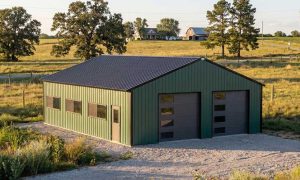
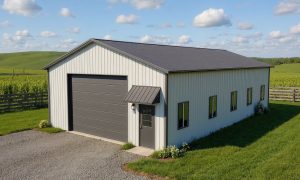
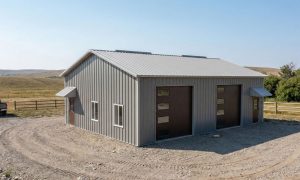
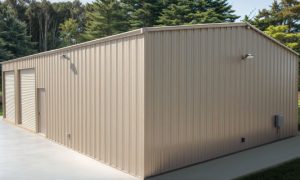
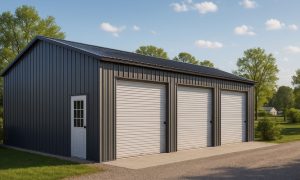
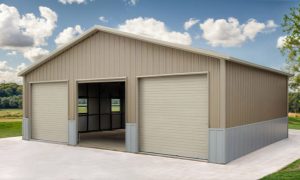
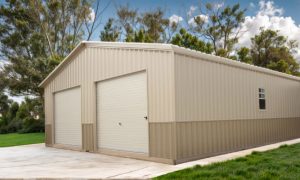
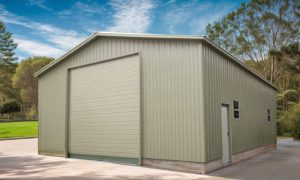
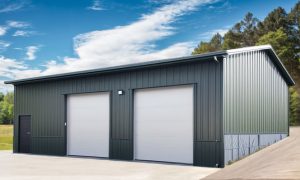
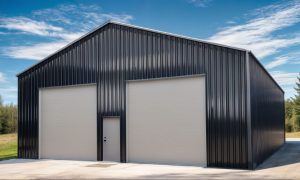
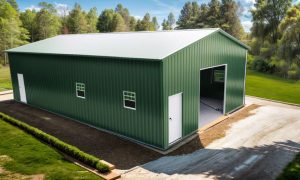
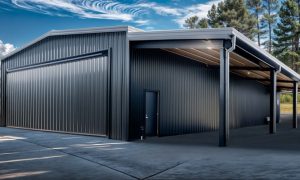
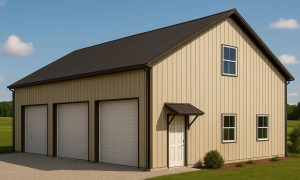
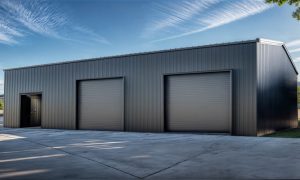
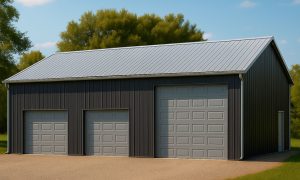
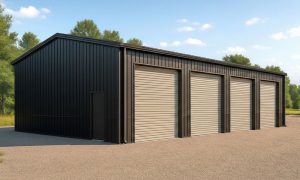
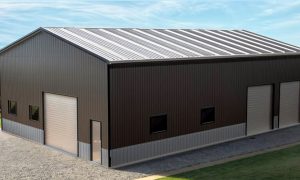
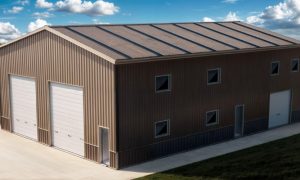
The average turnkey cost to erect a metal garage ranges from $25 to $45 per square foot. This includes the kit, foundation, and installation costs. Our 2-car metal garages start at $26,100, 3-car at $34,800, and 4-car at $43,500.
Costs vary based on your location, the number and size of overhead doors, and the level of interior finishing required.
-
How big is a standard garage?
A good starting point is to think in terms of about 10–12 ft of width per vehicle and 20–24 ft of depth for the whole garage, then size up if you want storage or workspace. This means a basic 2‑car garage might start around 20 × 20 ft, while larger multi‑car garages (4–6 vehicles) often work better as wider or tandem metal buildings in the 40–70+ ft width range to comfortably fit vehicles, doors, and circulation space.
General Planning Guidelines
For pre-engineered metal garages designed to accommodate sedans, SUVs, and full-size trucks, plan for:- Width: 12–14 ft per vehicle
- Depth: 22–26 ft for parking only
- Depth with additional space: 30–36 ft (adds 8–12 ft for workbenches and storage)
- Garage door width: 9–10 ft per single door, or 16–18 ft for a double door
- The deeper dimensions (24–26 ft) provide essential clearance for opening doors on larger vehicles, adding wall-mounted storage, and comfortably parking trucks and SUVs without tight maneuvering.
Recommended Sizes by Vehicle Capacity
These dimensions are sized generously for larger vehicles. Minimum sizes will work, but may feel cramped and offer little storage space without the ability to fully open car doors. If you have sufficient land, we recommend using the larger stated sizes for added convenience.2-Car Garage
- Minimum workable: 20 × 20 ft
- More comfortable: 22 × 24 ft
- Recommended: 24 × 26 ft (best for storage and workspace)
- Extended depth (including shop space): 24 × 32 ft or 26 × 30 ft (adds 6–8 ft for benches and tools)
3-Car Garage
- Tight fit: 30 × 22 ft
- Common standard: 32 × 24 ft
- Recommended: 36 × 26 ft (three full-size vehicles plus storage)
- Extended depth (with workshop): 36 × 32 ft or 40 × 30 ft (dedicated workspace along back or side wall)
4-Car Garage
- Minimum side-by-side: 40 × 22 ft
- More usable: 44 × 24 ft
- Recommended: 48 × 26 ft, or 24 × 48 ft tandem layout (two rows deep)
- Extended depth with work space): 48 × 32–36 ft (excellent for serious hobby or repair work)
5-Car Garage
- Tight side-by-side: 50 × 22 ft (minimal storage)
- Recommended side-by-side: 60 × 24–26 ft (12 ft per bay)
- Recommended tandem/mixed: 36 × 42 ft (three front, two behind—ideal for narrow lots)
- Extended depth (with auto shop space): 60 × 32 ft side-by-side, or 40 × 42 ft tandem (converts one bay to additional space)
6-Car Garage
- Tight side-by-side: 60 × 22 ft (compact vehicles only)
- Recommended side-by-side: 72 × 24–26 ft (full-size vehicles with storage)
- Recommended tandem: 42 × 44 ft (three wide × two deep—excellent for metal buildings with extra space)
- Extended depth: 72 × 32–36 ft, or 50 × 44 ft tandem with dedicated space
Metal Building Package Sizes
Pre-engineered metal garages typically come in these popular standard sizes:- 2-car: 22–24 ft wide × 24–26 ft deep (parking only), 24–26 ft wide × 30–32 ft deep (with extra depth)
- 3-car: 32–36 ft wide × 24–26 ft deep (parking only), 36–40 ft wide × 30–32 ft deep (with extra depth)
- 4–6-car: 44–72 ft wide × 24–44 ft deep (often designed as combination garage/work area spaces with clear-span construction)
-
can I insulate my metal garage building?
Yes, you can absolutely insulate a metal-framed garage to enhance comfort and energy efficiency. Insulating a metal building helps regulate interior temperatures, reduce heating and cooling costs, and prevent condensation that can lead to moisture issues.
Standard insulation options include fiberglass batts, rigid boards, and spray foam, each offering varying levels of thermal performance.
See our metal building insulation page for more details.
-
Does a steel garage need painting?
Not normally. With adequate maintenance and care, your new garage should never need repainting. All our garage kit packages include 26-gauge PBR metal roofing and wall panels, pre-painted and coated to prevent rust and discoloration. Also, all panels are warranted for up to 40 years.
-
How much does a garage door cost?
Overhead garage door prices vary significantly based on size, material, insulation, and features. Expect to pay between $700 and $3,700 for a complete installation, including the door and labor. Non-insulated doors are the most affordable option, while insulated doors cost $200–$600 more but offer energy savings, noise reduction, and better durability, making them a smart investment for attached garages or climate-controlled spaces.
Non-Insulated Doors (Material Only)
- Single-car door (8×7 ft): $250–$800
- Double-car door (16×7 ft): $400–$1,200
- Average cost: $755–$1,200
Non-insulated doors are single-layer steel or aluminum, making them lightweight and budget-friendly. They work well for detached garages or unheated or uncooled spaces.
Insulated Doors (Material Only)
- Single-car door: $600–$2,500
- Double-car door: $800–$3,000
- Average cost: $1,500
- Price premium over non-insulated: $200–$600
Installation Labor Costs
- Professional installation: $150–$700 (regardless of door size)
- Garage door opener installation: $300–$900
- Electrical work (if needed): $50–$100 per hour (typically 1–2 hours)
Total Installed Costs
Non-insulated door installed: $700–$2,700
Insulated door installed: $750–$3,700+
Premium/custom installations: Up to $6,000+
Why choose us?
BuildingsGuide simplifies the process of finding reputable suppliers of prefab metal buildings, allowing you to select the ideal vendor for your needs and budget.
Since 2004, over 200K buyers have saved an average of 28% on their project with our multiple quote service.
Proudly serving customers in the United States & Canada for over 20 years.
Compare & save!
Let us help you find the best deal on a metal building for sale.
- Tell us about your project
- We match you with vetted suppliers
- You receive four competing quotes
- Select the most suitable supplier
- Start your project
